Scars
Do you have a noticeable or tight scar? We can make it flatter and more supple.
A scar from surgery, a fall, a burn, or a piercing. You see it every day, and sometimes you notice it too: it feels tight, itches, or feels hard to the touch. Sometimes it’s red and raised, sometimes sunken and white. A scar is part of your story, but it doesn’t have to be the first thing people notice. At Smooth in Enschede and Zwolle, an experienced skin therapist will help soothe it.
What is a scar? Here's how to recognize one.
When a wound heals, your body rapidly produces new collagen. This collagen is more disorganized than in normal skin, and that’s how scar tissue forms.
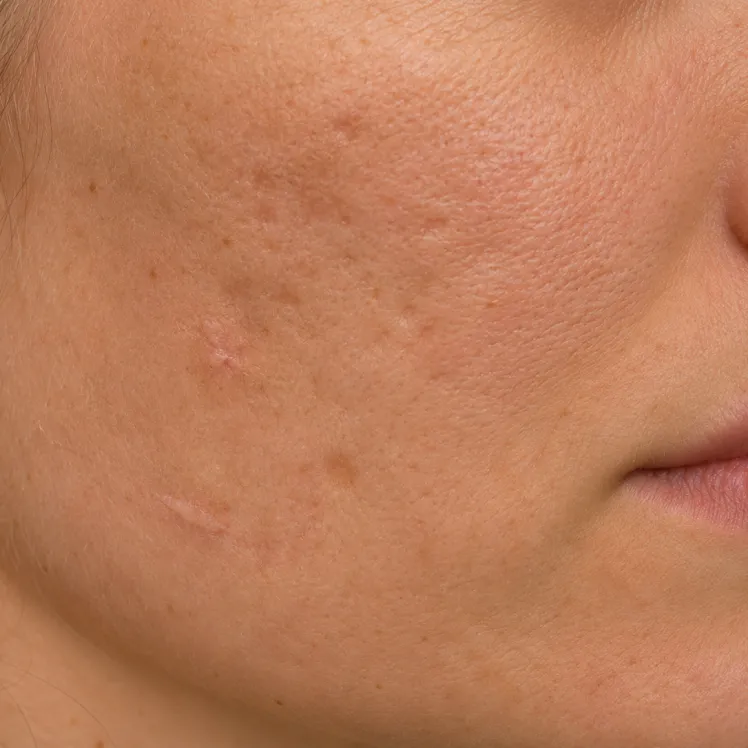
A hypertrophic scar is thickened and red, but remains within the wound. A keloid, on the other hand, grows outside the wound. An atrophic scar is sunken. In the case of a burn, the scar may feel tight. Each type requires its own approach. That’s why we first determine what type of scar you have.
We are affiliated with:



Targeted treatments for your scar.
Is your scar red and thickened, sunken, or tight? How old is it, and is it on your face or your body? Does it restrict your movement? We’ll examine your scar and choose techniques that are appropriate for its type and stage. We often combine scar therapy with laser treatment or microneedling for better results.
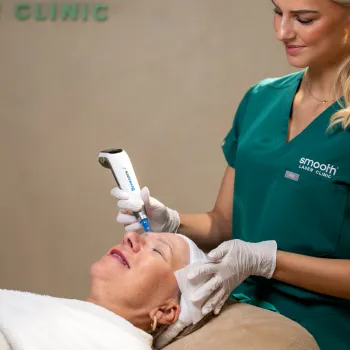
Why Choose Smooth?
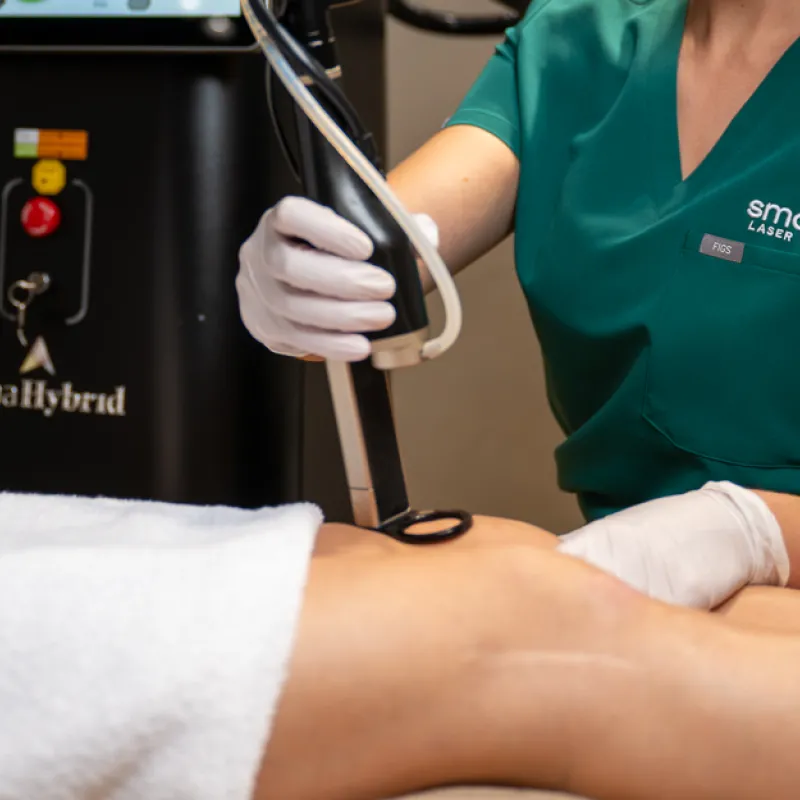
Skin therapists are trained in scar therapy. At Smooth, they combine this with modern laser technology. They assess how old, thick, and tight your scar is, and choose an approach that makes it flatter, more supple, and smoother. This is also possible after a burn or surgery, in consultation with your doctor.
Scars: before and after.
From a red, raised or sunken scar to a flatter, more even result. See clients’ scars before and after a series of treatments. Each photo shows the technique used. Every scar responds differently.
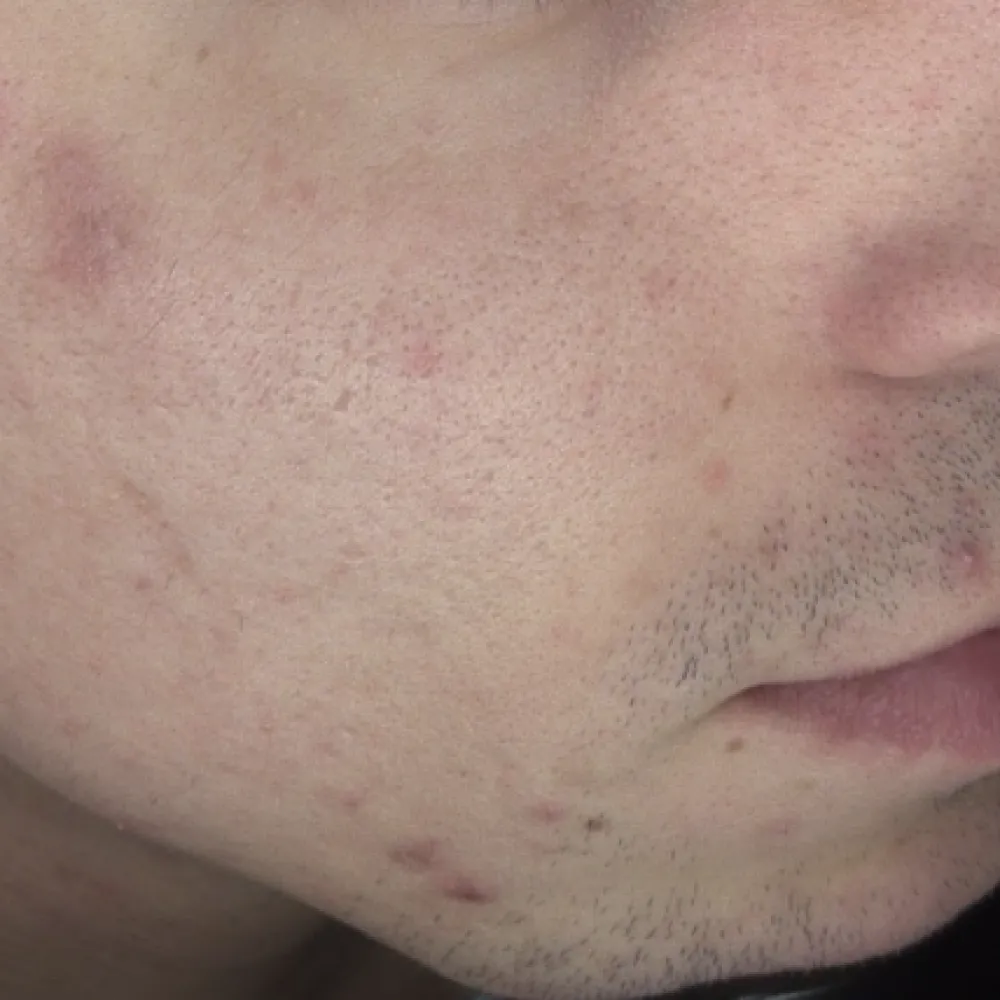
Before
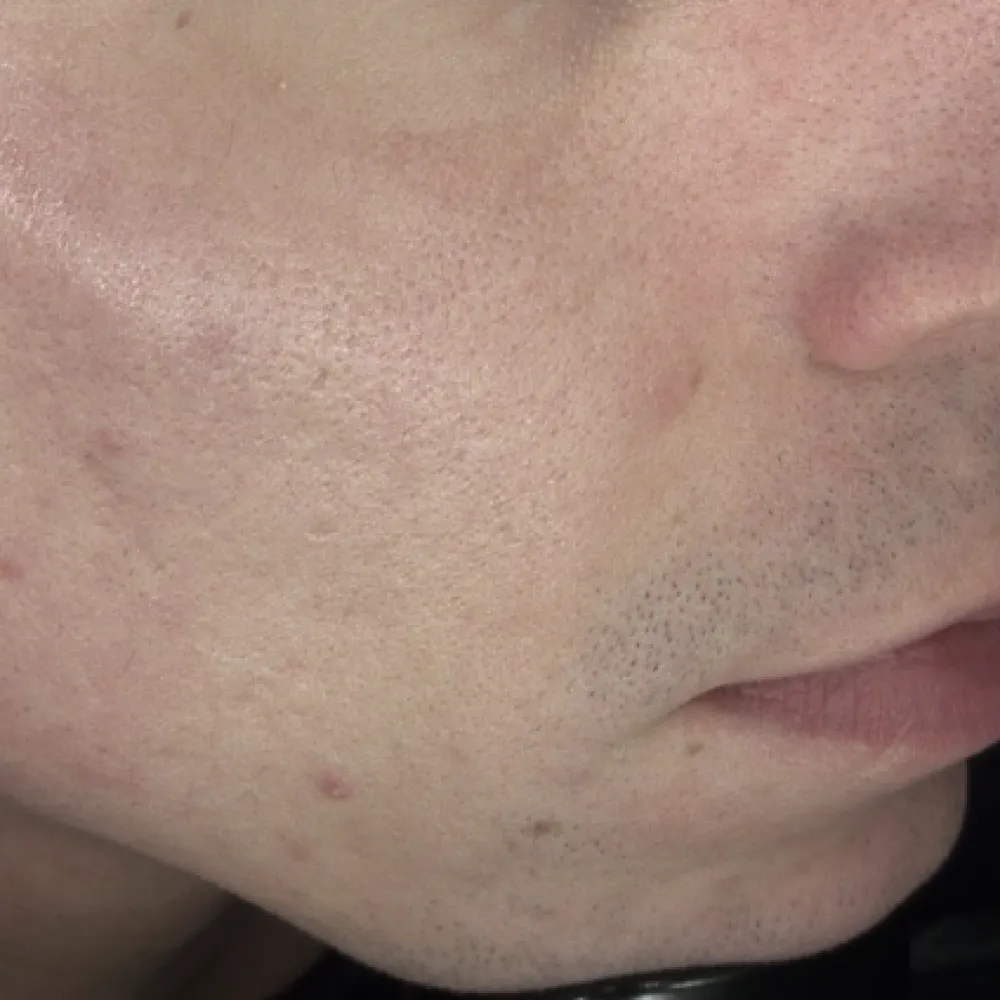
After
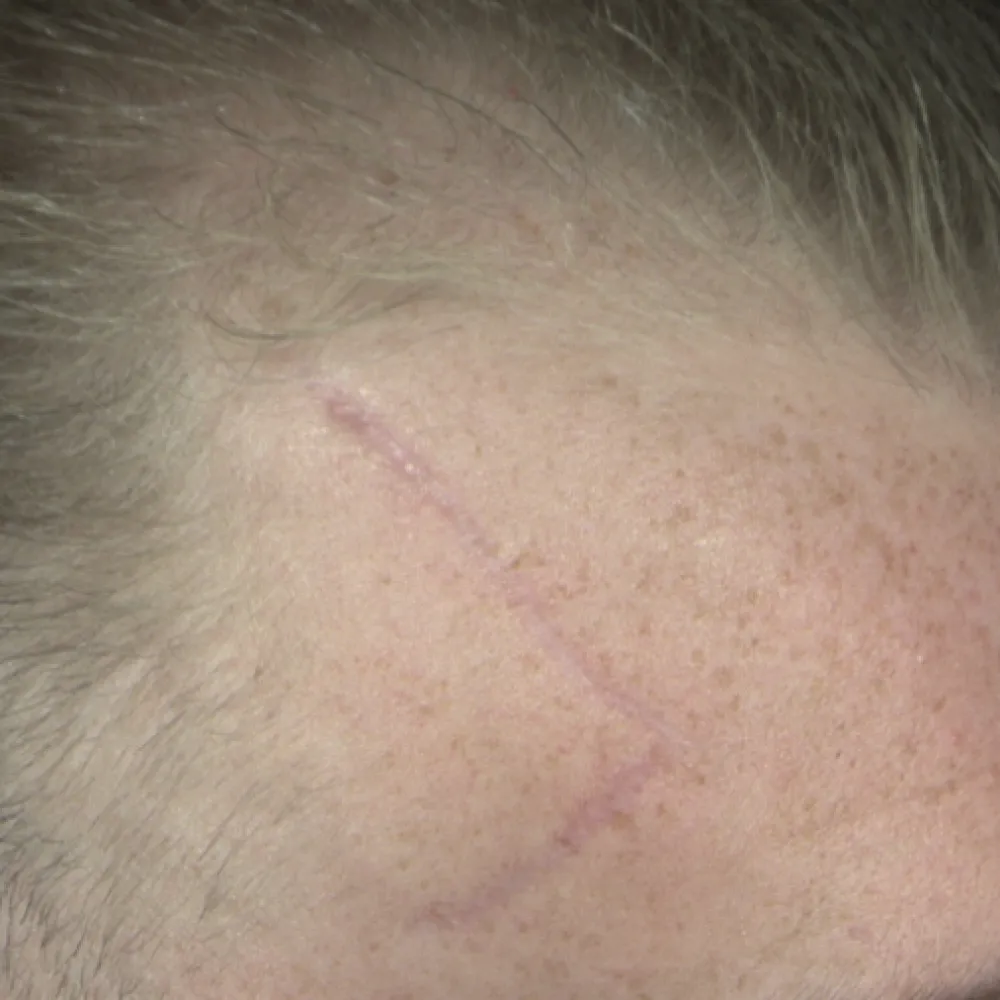
Before
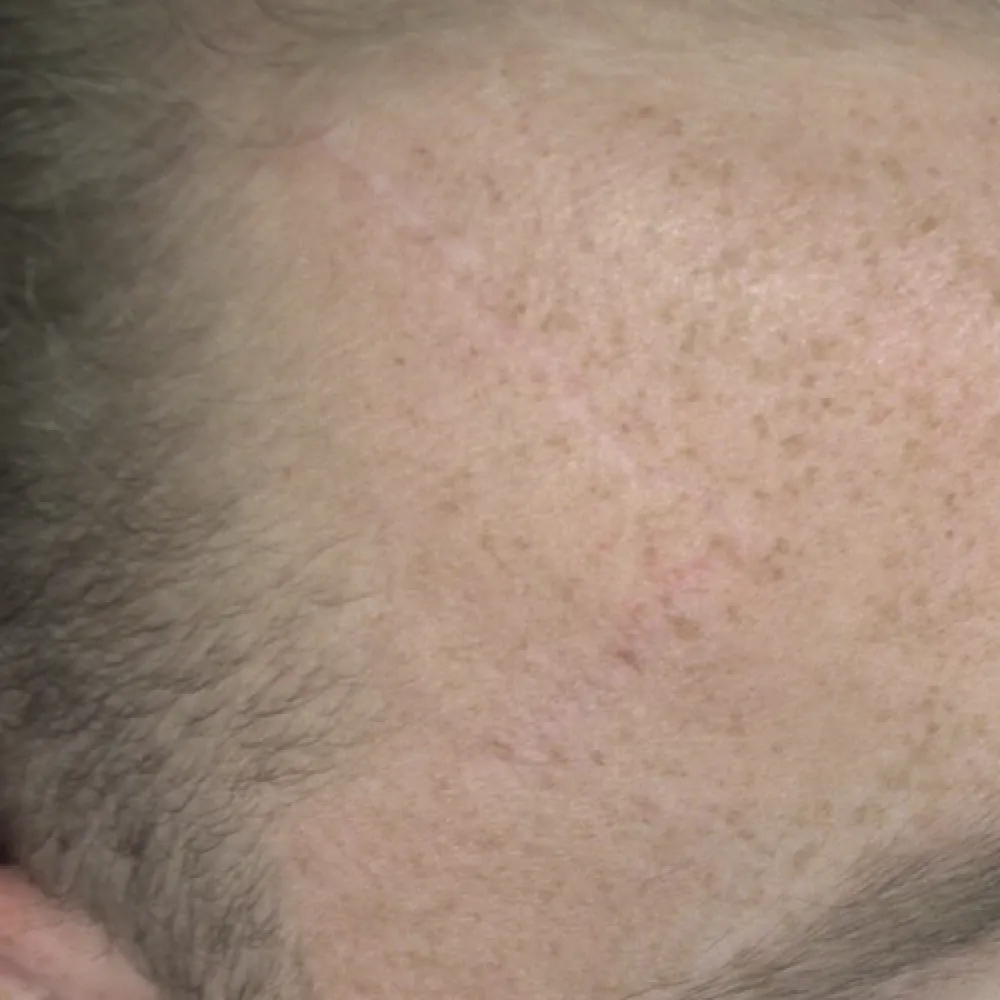
After
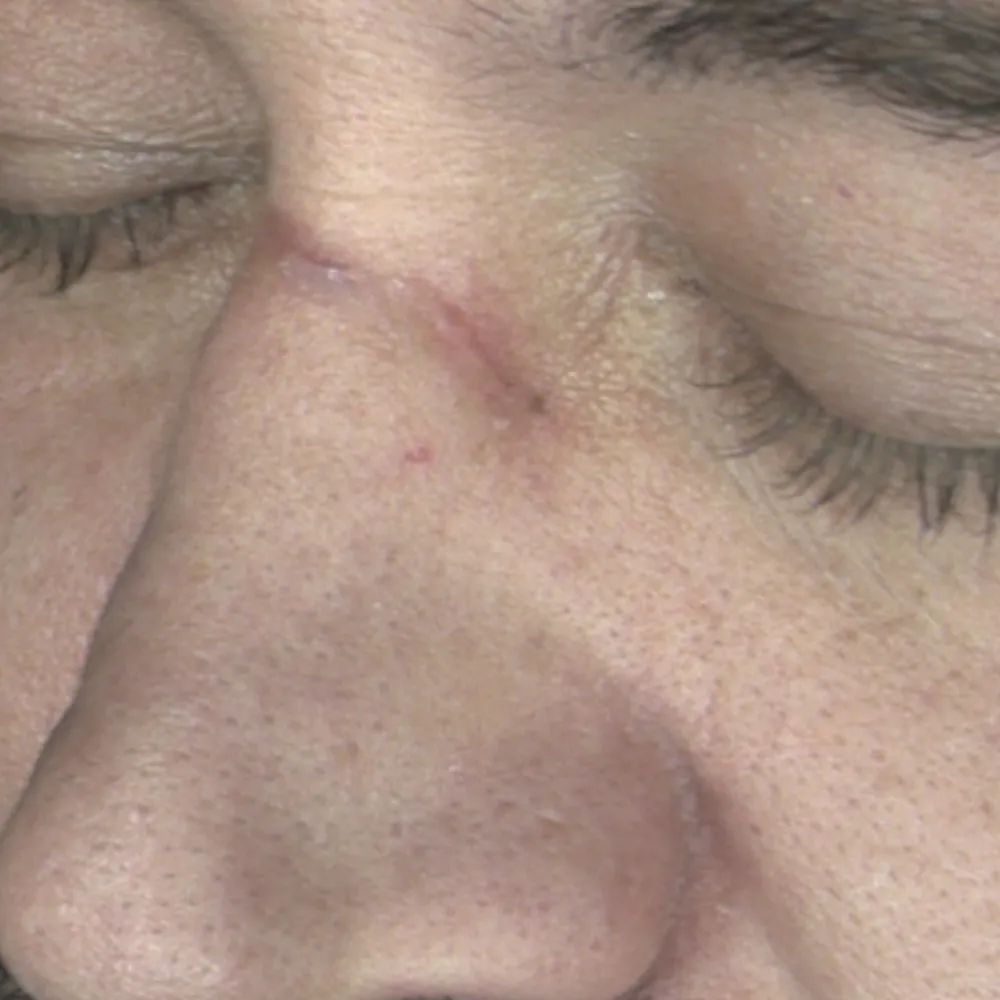
Before
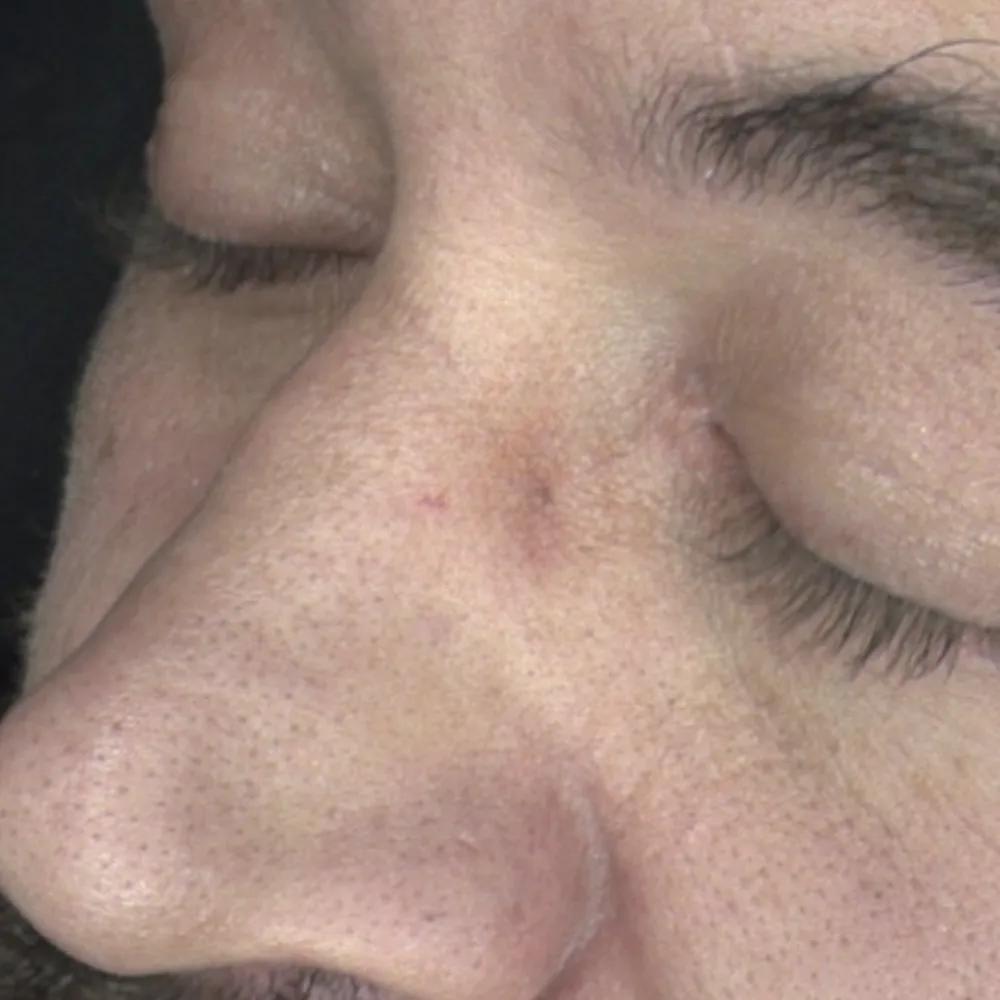
After
OUR APPROACH.
A scar changes slowly. That’s why we tackle it step by step: first we make it supple and calm, then flatter and more even. That way, we work towards a scar that visibly blends into your skin.
During the free skin consultation, the skin therapist examines and feels your scar. Is it raised, sunken or tight? How old is it and how did it develop? Has your doctor already started any treatment? That way, we choose the approach that suits your scar.
Your plan describes the techniques, how many sessions are needed and what it costs. With a raised scar or a keloid, we coordinate with your GP or dermatologist. Might you be eligible for reimbursement? Then we record the diagnosis.
Scar therapy feels like a firm massage. For laser or microneedling, we use a numbing cream. Afterwards, your skin is red and sometimes slightly swollen. Depending on the technique, this fades within a few hours to a week.
A scar keeps changing for up to eighteen months. Massage it daily, use silicone if your skin therapist recommends it, and protect it from the sun. This prevents it from darkening. At check-ups, we monitor how your scar develops.
Our technology.
Every scar needs its own approach. That’s why we work with three techniques:
CO2 laser: makes raised scars flatter and sunken scars fuller. Powerful for deep or old scars.
PicoLO: stimulates your skin to produce new collagen. Suitable for scars on your face, with little downtime.
Dermapen 4: microneedling that kickstarts your skin’s repair and makes its texture more even.
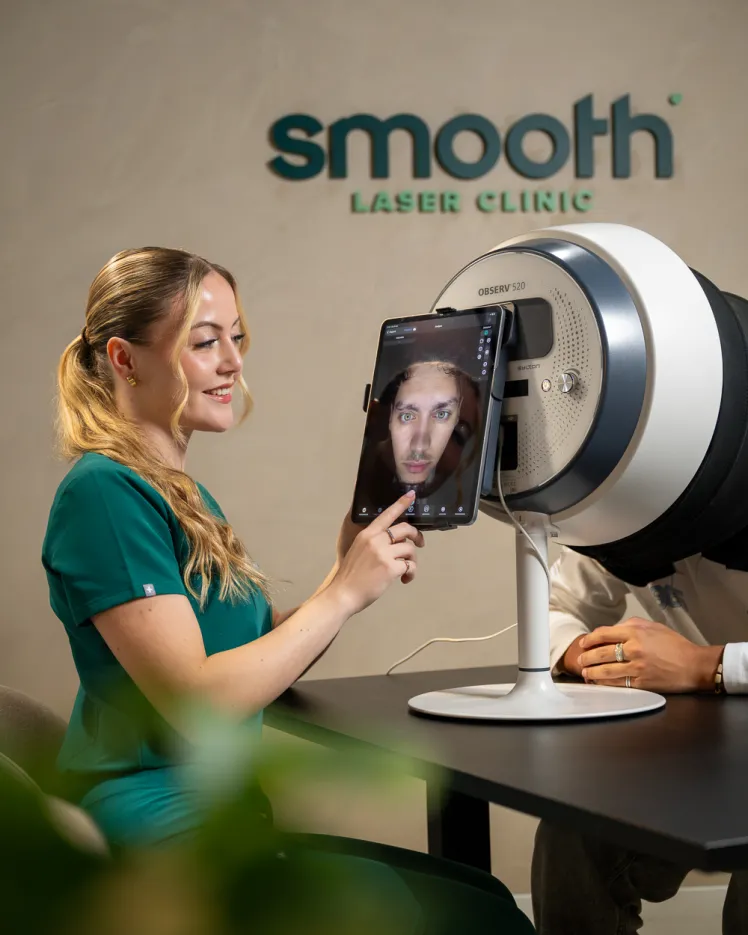
FREE SKIN CONSULTATION.
Discover what your skin needs. Our skin therapist listens to your wishes, analyses your skin with the OBSERV 520X and gives you honest advice on suitable treatments and the results you can expect.
Is scar therapy covered by insurance?
Scar therapy by a skin therapist may be covered by your supplementary insurance if your scar causes symptoms, such as tightness, itching or pain. For that, the skin therapist records a diagnosis. A diagnosis is no guarantee: reimbursement depends on your policy. You pay for cosmetic laser treatments yourself.



Book an appointment.
What you see is only the surface. The OBSERV 520X shows what’s going on deeper in your skin: pigment, redness and clogged pores. Together with a skin therapist, you then choose the treatment that really works. The skin consultation is free and takes place in Enschede or Zwolle.