Alopecia androgenetica
A receding hairline, a thinning crown or a wider parting?
It started with a few more hairs in the shower. Now your hairline is receding further, your crown is getting thinner or you can see your scalp through your parting. Online, you read about androgenetic alopecia: hereditary, hormone-related hair loss in both men and women. But what does that mean for you?
At Smooth in Enschede and Zwolle, an experienced skin therapist maps out your scalp and hair. Afterwards, you’ll know exactly what’s going on and what you can do about it.
What causes androgenetic alopecia?
Androgenetic alopecia is hereditary. Your hair follicles are sensitive to DHT, a hormone your body makes from testosterone. Because of this sensitivity, the hair follicles gradually shrink. The growth phase gets shorter and thinner, shorter hairs grow back, until a hair follicle eventually stops.
In men, you see this mainly at the temples and on the crown. In women, the hair thins around the parting, while the hairline usually stays in place. It can start at any age, including around menopause. The sooner you know what’s going on, the more targeted our approach.
We are affiliated with:



What are the treatment options?
First, we listen. When did it start, where do you notice it and what have you already tried? Then we examine your scalp and hair. Hair follicles that still produce hair can be stimulated in a targeted way.
A hair follicle that has stopped completely won’t come back with treatment. We’ll tell you that honestly. Are you taking medication for hair loss through your GP or dermatologist? Then we’ll tailor your treatment to it.
Why Choose Smooth?
With alopecia, the right diagnosis is half the work. Our skin therapists recognise the pattern of your hair loss and know when a dermatologist needs to take a look.
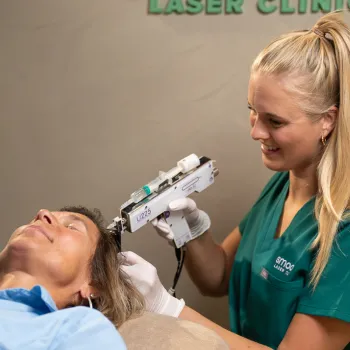
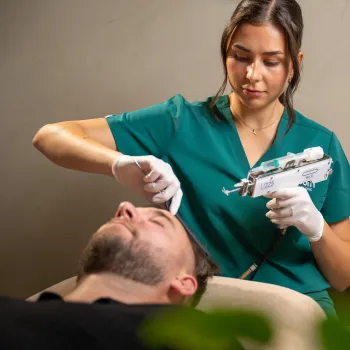
Where suitable, they stimulate your hair follicles with a treatment that helps your hair grow stronger. You’ll always hear in advance what you can realistically expect.
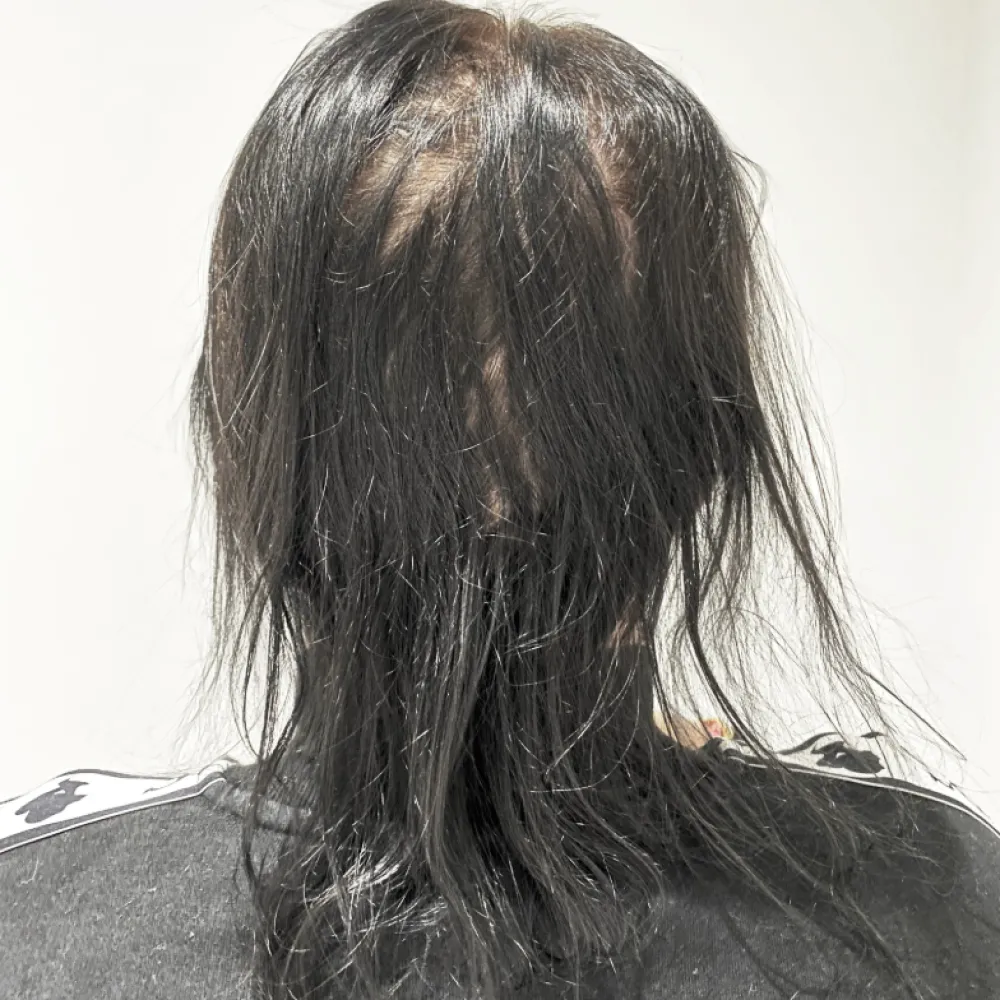
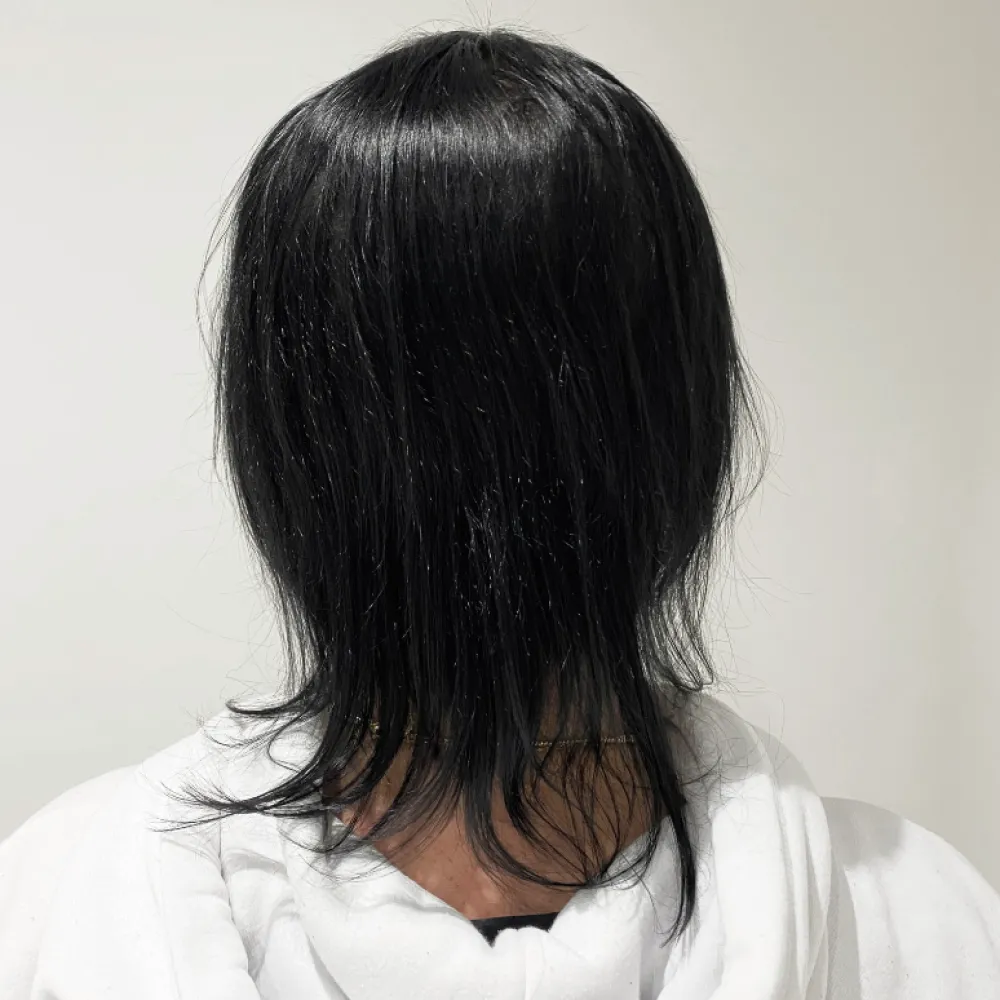
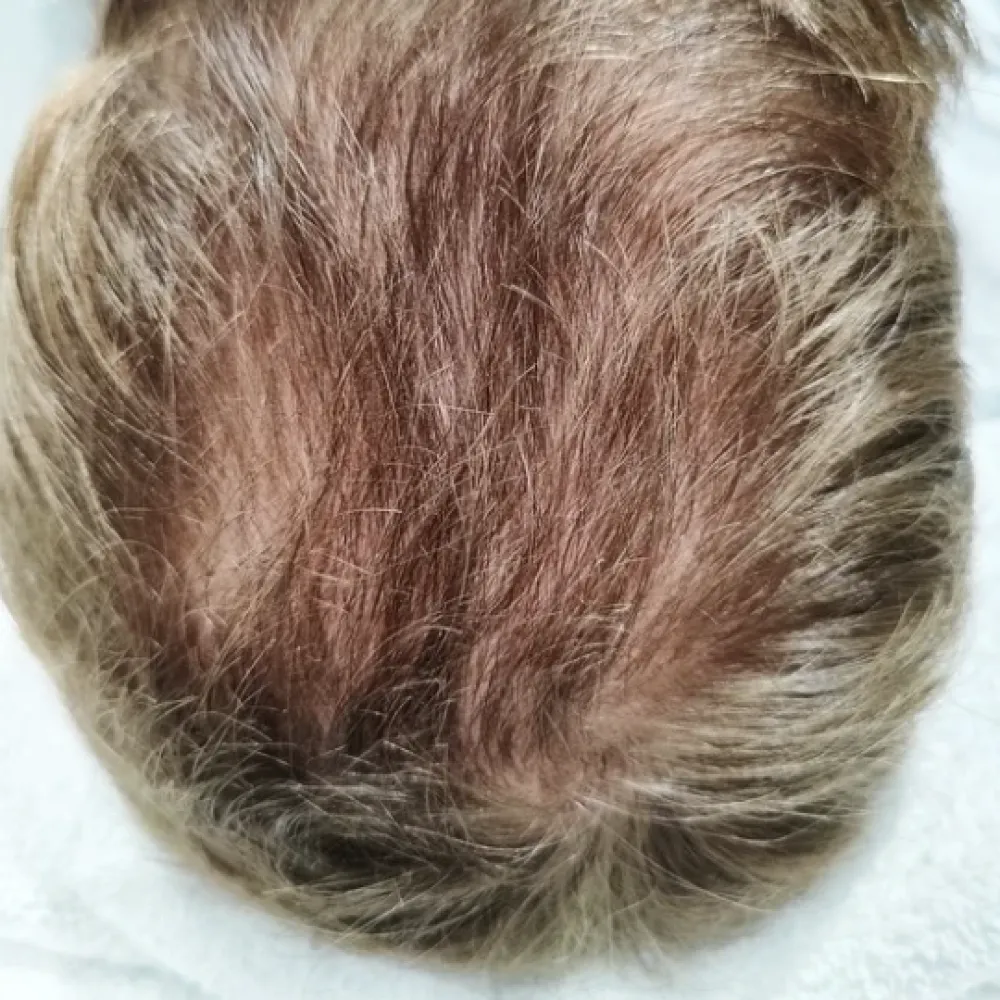
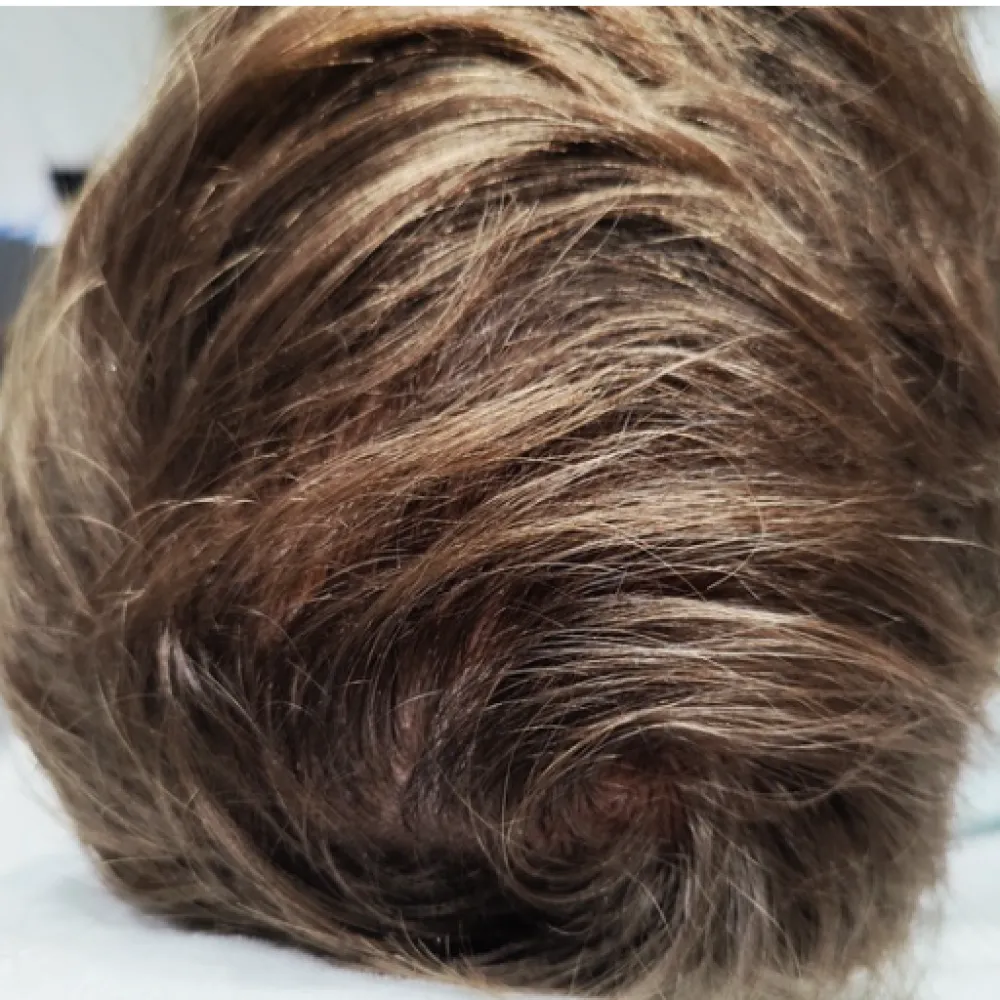
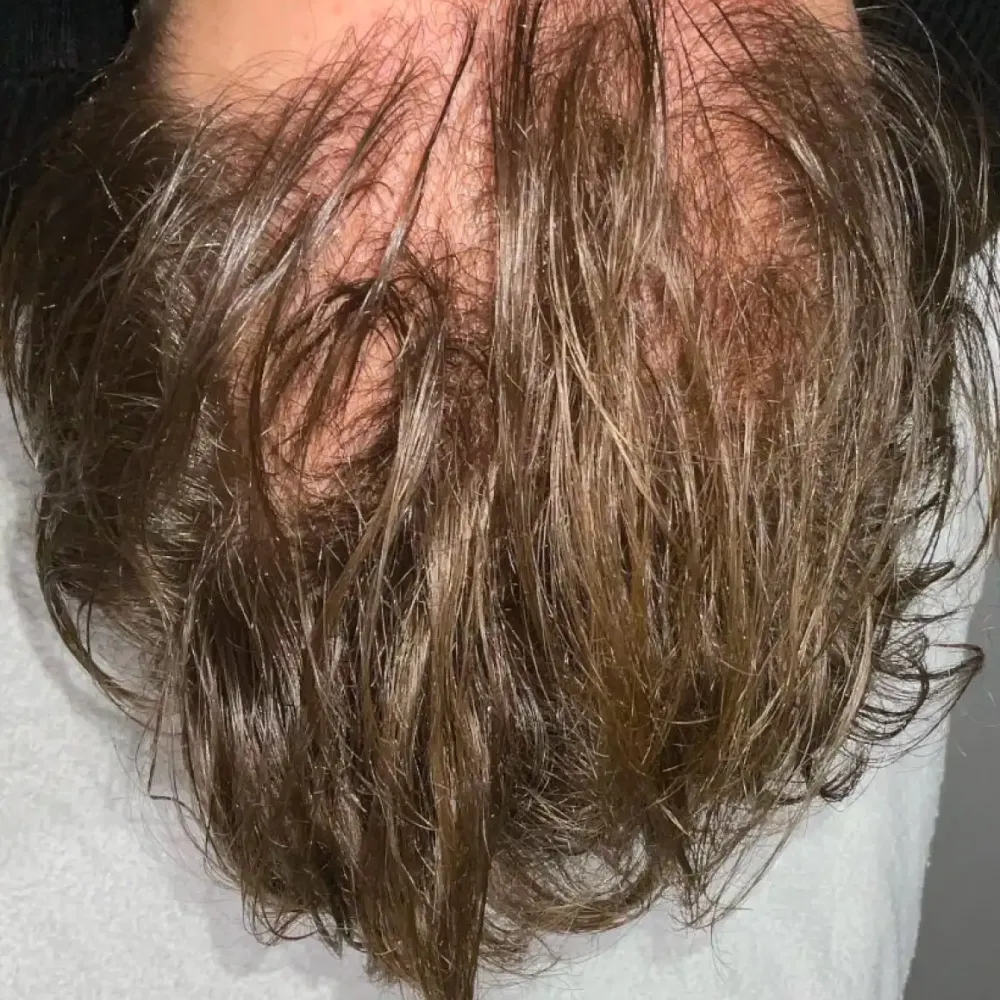
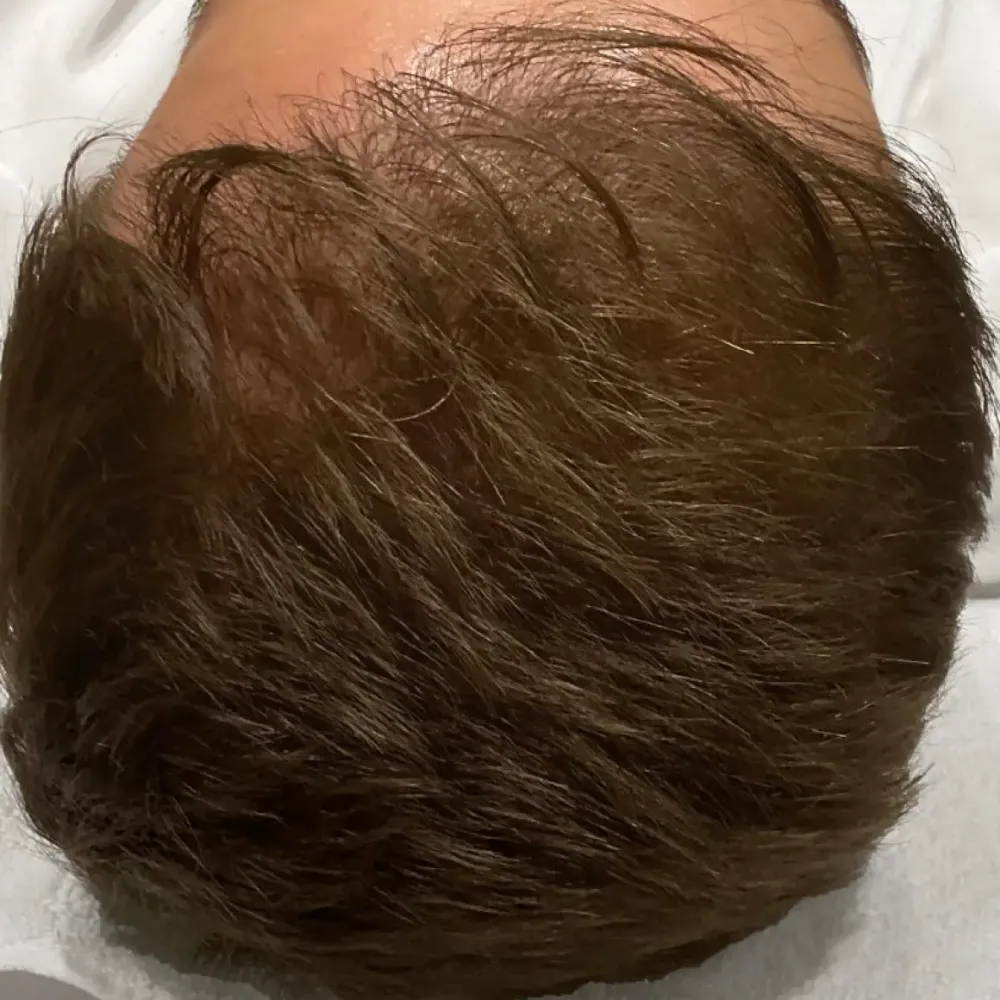
Alopecia: before and after.
From a crown where your scalp shows through or thinning temples to fuller, stronger hair. See photos of clients with androgenetic alopecia or telogen effluvium, at the start and after a few months of treatment. Everyone’s hair responds differently.
Before
After
Before
After
Before
After
OUR APPROACH.
Alopecia calls for a clear diagnosis. That’s why we first look at the pattern of your hair loss, your scalp and your health. Is a treatment with us the right fit? Then we create a plan. If not, we refer you to your GP or dermatologist.
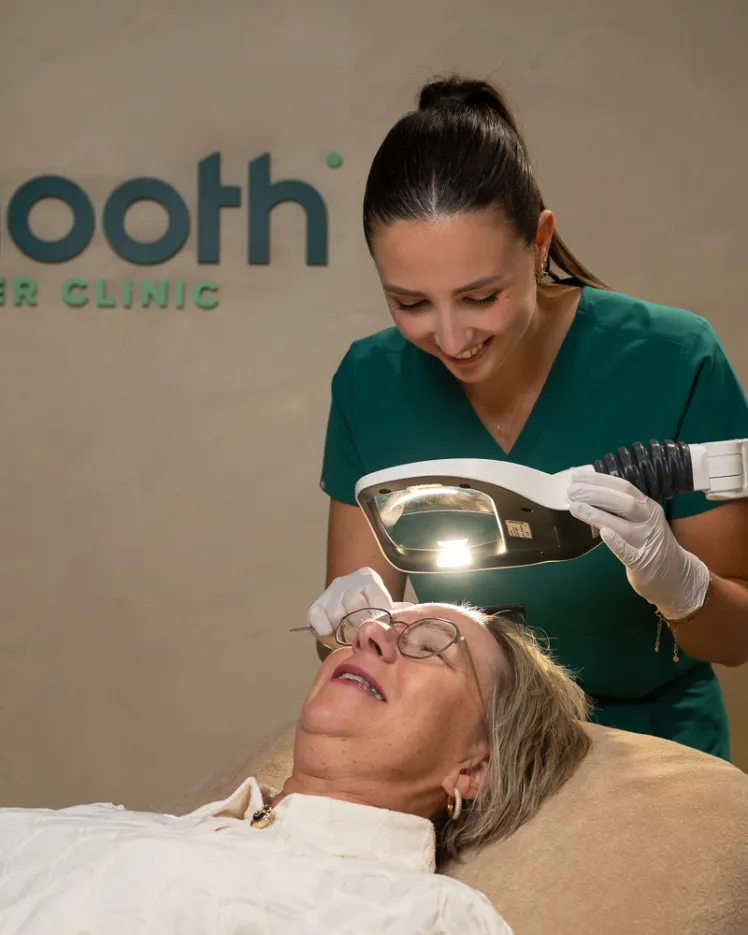
During the free skin consultation, the skin therapist looks at where you’re losing hair, what your scalp looks like and whether there are any bald patches. She also asks about hair loss in your family, and whether anything has changed in your health, medication or lifestyle.
You’ll hear which type of alopecia we suspect, what we can do and when a doctor is the better option. Do you choose treatment? Then you’ll receive a plan with the number of sessions and the costs.
With a hair booster or mesotherapy, we apply active ingredients to your scalp with fine needles. You’ll feel small pricks. A treatment is short, and afterwards you can simply carry on with your day.
Hair grows slowly. By taking standard photos at every appointment, we make it visible how your hair is changing. With hereditary alopecia, a maintenance treatment keeps your hair follicles active. Together, we discuss the pace that suits you.
Our technology.
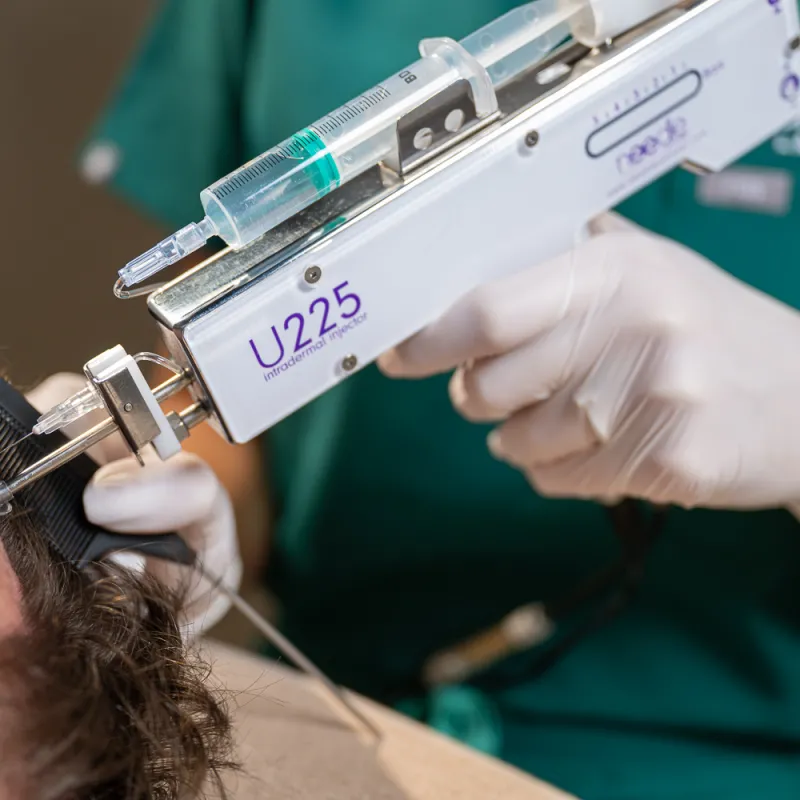
For hair boosters and mesotherapy, we use the U225 intradermal injector. The injector distributes the active ingredients evenly across your scalp, at exactly the depth of your hair follicles.
That way, the treatment is targeted and feels comfortable.
FREE CONSULTATION.
Discover the options for stimulating your hair growth. Our skin therapist listens to your wishes and assesses your hair and scalp. You’ll receive personal treatment advice and a realistic picture of the results you can expect.
Smooth Facts.



Is alopecia treatment covered by insurance?
Treatment for hereditary hair loss is considered cosmetic, so neither basic nor supplementary insurance covers it. You’ll hear what your treatment plan costs in advance, during your free consultation.





Book an appointment.
Is your hair getting thinner, or do you have bald patches? A skin therapist examines your scalp and hair and finds out what’s going on. You’ll hear honestly what’s achievable and which treatment suits you. Book your appointment online, in Enschede or Zwolle.